In a nutshell
- ⚡ Instant freshness: Dryer sheets release fragrance microcapsules, use positively charged cationic surfactants to blunt odours, and add light adsorption of moisture for rapid results.
- 🧪 How to use safely: Rub the sheet across the insole for 5–10 seconds, leave for 10–20 minutes if possible, remove before wear; test on leather, avoid wet shoes, and consider unscented options for sensitivity.
- 📊 Comparative edge: Great speed-to-impact versus slower deep cleans; pair with bicarbonate of soda, activated charcoal, or UV sanitisers for lasting odour control.
- ♻️ Sustainability and health: Reduce single-use waste with plant-based sheets or reusable cedar/charcoal inserts; fragrances and softeners can linger, so limit direct skin contact.
- 🧭 Layered strategy: Treat dryer sheets as triage; rely on rotation, thorough drying, washable insoles, and periodic deep deodorising to keep footwear genuinely fresh.
Crack open your gym bag and there it is: the eye-watering whiff of well-used trainers. You need a fix now, not after an overnight soak or a complicated cleaning ritual. That’s why many people reach for a dryer sheet. It seems like a hack, yet it works with surprising speed. In seconds, the sharp notes soften. Within a minute, the shoe smells wearable. The secret lies in fragrance release, moisture management, and chemistry that blunts odour molecules fast. It’s not magic; it’s materials science engineered for immediacy. Let’s unpack what happens inside that shoe and how to use the trick without creating new problems.
The Science Behind Instant Freshness
Dryer sheets are built from a non-woven substrate coated in a cocktail of cationic surfactants, fragrance microcapsules, and softening agents. Those cationic compounds carry a positive charge, which can bind to negatively charged odour-causing fatty acids from sweat and bacteria. The effect isn’t permanent neutralisation, but a rapid dampening of intensity. Meanwhile, microcapsules rupture with light pressure and warmth, releasing volatile scent molecules that flood the shoe’s confined space. This is why that “instant” hit feels almost theatrical.
The sheet’s fibrous web provides high surface area, encouraging quick adsorption of moisture vapour and some malodorous compounds. Less moisture means less bacterial activity in the immediate term, and that reduces the sour background note. Some brands also include mild antimicrobial agents, which can lower bacterial load on contact, though their effect is limited by time and coverage. Airflow helps too: when you slide the sheet in and out, you pump fresh air and disperse the fragrance. Heat from your foot, even minimal, accelerates volatilisation. The combined mechanisms produce a fast, noticeable reset—short-lived, yes, but powerfully convenient.
How to Use Dryer Sheets in Shoes Safely and Effectively
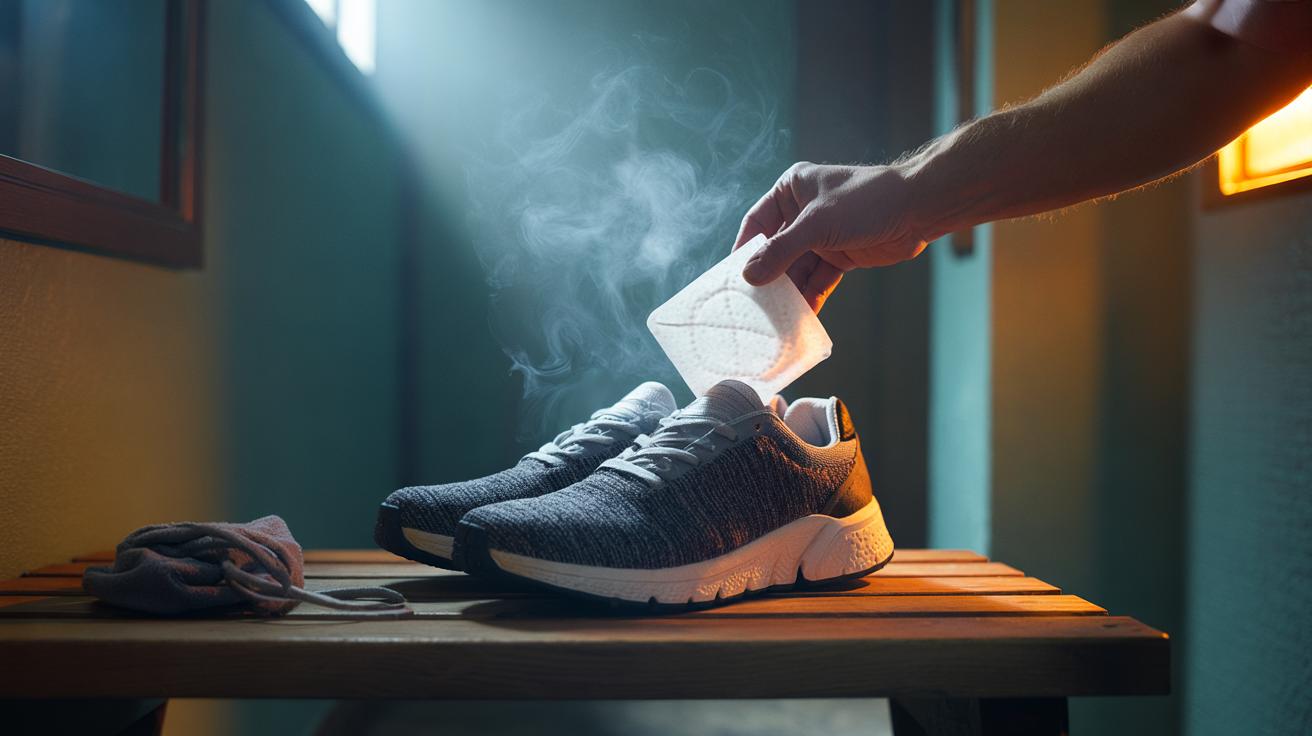
Pick a fresh sheet. If your shoe is roomy, fold it once to thicken the payload; for narrow styles, tear it in half and target the toe box. Press the sheet along the insole and the vamp lining to break microcapsules and transfer a thin film. For fastest results, rub the sheet across the insole for 5–10 seconds before leaving it inside. Wait 10–20 minutes when possible; in a pinch, even 60 seconds can soften odour. Remove the sheet before wearing, or keep a small piece at the toe for transport only.
Mind materials. On premium leather, suede, or delicate finishes, test in a hidden area to avoid potential fragrance oil transfer or slight staining. Avoid using sheets in wet shoes—lock in moisture and you’ll amplify microbes later. Opt for unscented or low-fragrance sheets if you’re sensitive to perfumes, and ensure the insole is cool before use so scents don’t become overpowering. Keep sheets out of reach of pets and children. Finally, treat this as a stopgap, not a cure: rotate shoes, dry them fully after wear, and clean insoles periodically for long-term odour control.
Dryer Sheets Versus Other Deodorising Methods
Different problems demand different tools. A dryer sheet excels at speed and portability, while other methods shine for deep odour elimination. The table below compares common approaches by pace and mechanism so you can choose wisely.
| Method | Time to Notice Freshness | How It Works | Best For |
|---|---|---|---|
| Dryer sheet | Seconds to minutes | Fragrance release, cationic binding, light moisture adsorption | Instant refresh before wear |
| Bicarbonate of soda | Overnight | Neutralises acids, absorbs moisture and odours | Deep, low-cost deodorising |
| Activated charcoal | Several hours | High-surface-area adsorption of volatile compounds | Persistent smells, storage |
| UV shoe sanitiser | 15–30 minutes | Disrupts microbial DNA to reduce bacteria | Hygiene-focused users |
| Freezer trick | Overnight | Cold stress slows microbes | Intermittent odour management |
For a commute or a last-minute meeting, the dryer sheet wins on speed-to-impact. It masks and slightly mitigates odours rather than eradicating them, which is fine if you then rotate shoes and dry them properly. Pair the quick fix with a weekly bicarbonate or charcoal routine and, when needed, a sanitising cycle. Think of it as triage now, treatment later. That layered approach keeps trainers wearable today and genuinely fresher over time.
Sustainability and Health Considerations
Convenience has a footprint. Many dryer sheets are made from polyester-based non-wovens that don’t readily biodegrade, and single-use habits multiply waste. Look for plant-based or compostable substrates where available, or cut sheets into halves to stretch usage. If fragrance sensitivity is a concern, choose unscented variants; fewer volatile compounds means less chance of headaches or skin irritation. Cationic softeners can linger on surfaces, so if you go sockless, consider placing the sheet only for storage, not against bare skin.
Prefer lower-impact alternatives at home: reusable cedar or charcoal inserts, washable insoles, and diligent drying (newspaper stuffing, then air) after runs. Keep in mind that heavy perfume can imprint on leather, subtly altering its natural smell. Test first. And remember: odour stems from moisture and microbes. Solve those, and you’ll rely less on perfumed patches. Use the dryer sheet when speed matters; use airflow, absorbents, and cleaning when results matter most. That balance respects both your shoes and the planet.
Used wisely, a dryer sheet turns a smelly shoe into a passable one in the time it takes to lace up. It’s fast, cheap, and surprisingly effective because chemistry and design collude to swamp odour while trimming its source. Yet it’s a bandage, not a cure. Pair it with drying, rotation, and periodic deep deodorising to keep odour at bay without over-relying on fragrance. The choice is yours, and it can be pragmatic. How will you combine quick fixes and longer-term habits to keep your footwear fresh without compromising comfort or sustainability?
Did you like it?4.5/5 (27)