In a nutshell
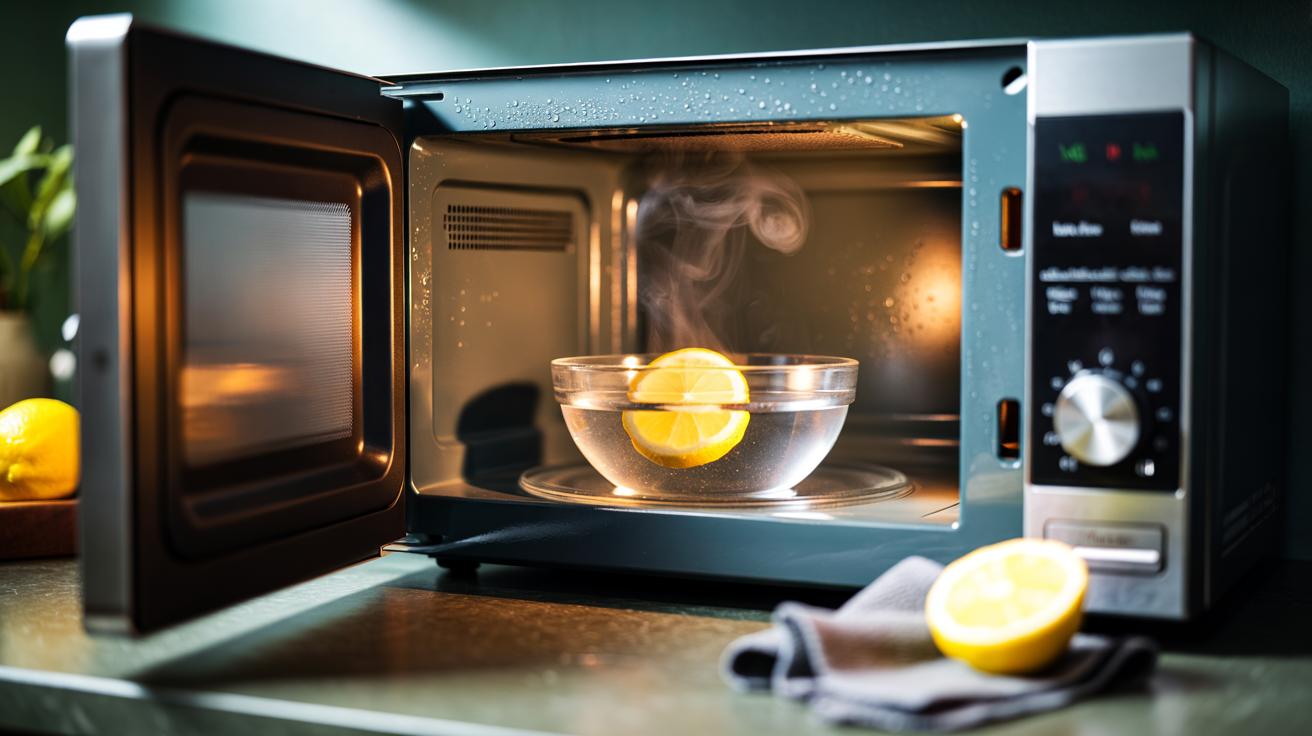
- 🍋 One-minute lemon steam: 1 lemon slice + 2–4 tbsp water, run on high ~60s (800–900 W), let sit 20–30s, then wipe for a quick, streak-free clean.
- 🔬 Why it works: steam loosens dried splatters, citric acid cuts grease, and limonene from the peel dissolves oils while neutralising odours.
- ⏱️ Power-to-time guide: 700 W = 75–90s; 800–900 W = 60–75s; 1000+ W = 45–60s; stop when you see steady condensation.
- 🛡️ Safety & materials: use microwave-safe glass/ceramic; avoid plastics and metal; keep lemon in the water to prevent superheating; handle hot items with gloves.
- ✅ For stubborn grime: repeat the cycle or apply a bicarbonate of soda paste, then finish with a lemon steam rinse; little-and-often cleaning prevents build-up.
A lemon slice, a splash of water, and one minute on high. That’s the hack splashed across social feeds, but there’s real science at work behind the glow-up. Inside your microwave, steam and citrus chemistry team up to unglue sauces, sugars, and splatters before you lift a cloth. It’s quick, low-cost, and smells like a summer market rather than a bleach aisle. The surprising part is how little you need to start seeing results. With the right wattage and a sensible method, the humble lemon becomes a solvent-laced sauna that loosens grime and flattens stubborn odours, fast.
The Science of Citrus Steam
Microwaves excite water molecules. That’s their trick. Add a moist lemon slice and you supercharge the effect: the fruit’s juice vaporises rapidly, creating hot, moist steam that seeps into dried food and starches, softening them at the seams. Steam is your silent scraper, condensing on cold interior walls and turning splatters into wipe-ready streaks. It’s physical force, not elbow grease, doing the heavy lifting first.
The chemistry adds a second punch. Lemon juice is rich in citric acid, which lowers pH and helps destabilise the bonds in greasy films and scale-like build-up. Those glossy fingerprints on the door? Often gone because acids cut through them. Meanwhile, lemon peel releases limonene, a citrus oil that behaves like a light solvent for oily residues. Together, acid and oil complement the steam, thinning grime so fibres on a cloth can capture it.
The final flourish is sensory. Heated lemon knocks back lingering curry and bacon notes, replacing them with a clean, sharp citrus scent. It’s not just fragrance; volatile compounds in the peel help neutralise odour molecules. That’s why one minute can feel like a deep clean even before you’ve wiped the turntable.
One-Minute Method: Step by Step
Slice a fresh lemon into a thick round, about 1 cm. Put it in a microwave-safe bowl with 2–4 tablespoons of water; the small volume heats quickly and ensures plenty of steam without delaying boil. Place the bowl on the turntable. Run on high for 60 seconds in an 800–900 W oven. Watch for visible condensation. If your interior is large or caked in older splatters, continue in 15-second bursts until the window fogs.
When the beeper goes, don’t open immediately. Let the door stay shut for 20–30 seconds. This short sauna session allows the steam to penetrate dried sauces and the citric acid to wet the grime. Open carefully, remove the bowl, and use the warm lemon slice as a mini-scrubber along the walls and door seals, then wipe with a damp microfibre cloth. Stubborn caramelised patches? Re-wet the cloth with the lemon water and hold it against the spot for 10 seconds before wiping.
| Microwave Power | Water + Lemon | Typical Time | Notes |
|---|---|---|---|
| 700 W | 3–4 tbsp + 1 slice | 75–90 sec | Let sit 30 sec |
| 800–900 W | 3 tbsp + 1 slice | 60–75 sec | Watch for steady steam |
| 1000+ W | 2–3 tbsp + 1 slice | 45–60 sec | Stop at visible condensation |
One minute is often enough, but stained, older ovens may need a second round. Finish by drying the interior with a clean towel to prevent water marks and to discourage future splatter from sticking.
Safety, Materials, and When to Skip
Use a microwave-safe glass or ceramic bowl. Avoid plastics for this job; heat plus acid can degrade them and transfer off-flavours. To reduce any risk of superheating, ensure the water contains the lemon slice (or a wooden stir stick) as a nucleation point. Never run the microwave with a completely dry lemon; it can scorch. Likewise, never microwave metal—no steel scourers, no foil-trimmed plates.
If the cavity paint is chipped or rusting, skip direct scrubbing with the rind and simply wipe with the warm lemon water and a soft cloth. For tempered glass turntables, avoid sudden temperature shocks: remove the hot bowl with oven gloves, then wait a moment before lifting the glass to clean beneath it. Sensitive skin or citrus allergies? Wear gloves; limonene and acids can irritate.
Finally, set expectations. A lemon slice excels at daily grime and odours. Baked-on sugar syrups and ancient tomato blisters may need a second minute or a backup: a paste of bicarbonate of soda for abrasion, then a quick lemon steam rinse to finish. The trick is little and often, preventing stubborn layers from forming in the first place.
For under a quid and under a minute, a lemon slice turns your microwave into a self-steaming cabinet, loosening grease while perfuming the air with something far friendlier than chemicals. It’s quick enough for weekday suppers, gentle enough for regular maintenance, and satisfying in its simplicity. Steam, citric acid, and a little heat: that’s the trio doing the work. Will you try the one-minute lemon method tonight, or do you have your own fast fix that beats it on time, shine, or scent?
Did you like it?4.3/5 (27)