In a nutshell
- 🌱 Eggshells supply calcium carbonate plus trace minerals, slowly strengthening cell walls, buffering acidity, and subtly improving soil structure and microbial diversity.
- 🛠️ Smart prep and use: rinse, dry, lightly bake, then grind to powder for faster release; mix into soil or compost—follow the rule “Clean, dry, fine.”
- 🍅 Tackle blossom-end rot preventatively by building background calcium and keeping watering consistent; shells modestly raise pH over months but don’t replace garden lime for major corrections.
- 🐌 Slug/snail deterrence is limited with crushed shells; treat them as part of integrated pest management alongside beer traps, hand-picking, wildlife allies, and copper barriers.
- ♻️ Sustainable win: divert kitchen waste, enrich compost and wormeries with calcium-rich micro-particles, and reduce reliance on packaged amendments for steadier, healthier plant growth.
Eggshells look humble on the breakfast plate, yet in the garden they punch far above their weight. Crushed or powdered, they feed the soil, keep waste out of the bin, and nudge plants toward sturdier growth. The magic isn’t sorcery; it’s science meeting thrift. This is one of the simplest, cheapest soil upgrades you can make at home. Done right, it works quietly over months, improving structure, buffering acidity, and helping roots function. UK gardeners love that eggshells are readily available, safe to handle when dried, and easy to store. Calcium carbonate, trace minerals, and micro-texture—small things adding up to healthier beds.
What Eggshells Really Add to Soil
At the heart of an eggshell is calcium carbonate—about 95% by weight—plus small amounts of magnesium, phosphorus, and potassium. Calcium matters because it strengthens cell walls, supports root tips, and underpins healthy leaf development. The catch? Coarse shells decompose slowly. That’s good for steady release, less ideal for instant fixes. Think long-term conditioning rather than a fast fertiliser hit. Powdered shells dissolve faster, especially in biologically active, slightly acidic soils where microbes and organic acids do much of the work. Over time, shells can modestly buffer pH, particularly in pots and beds that trend sour.
Beyond chemistry, eggshells offer micro-structure. Finely ground material creates tiny niches that improve aeration when mixed into heavy soils, helping water move and roots breathe. It’s subtle but real. There’s also a microbial angle: calcium-rich particles can encourage diverse microbial communities, which in turn release nutrients more consistently. Pair shells with organic matter—compost, leaf mould, well-rotted manure—and you’ll amplify the benefit. Soil health is a symphony; eggshells are not the solo, but they keep the rhythm. For chalky UK soils, use them sparingly. For peat-free potting mixes or acidic borders, they’re a gentle, sustainable nudge toward balance.
From Kitchen Waste to Garden Gold: Preparation and Application
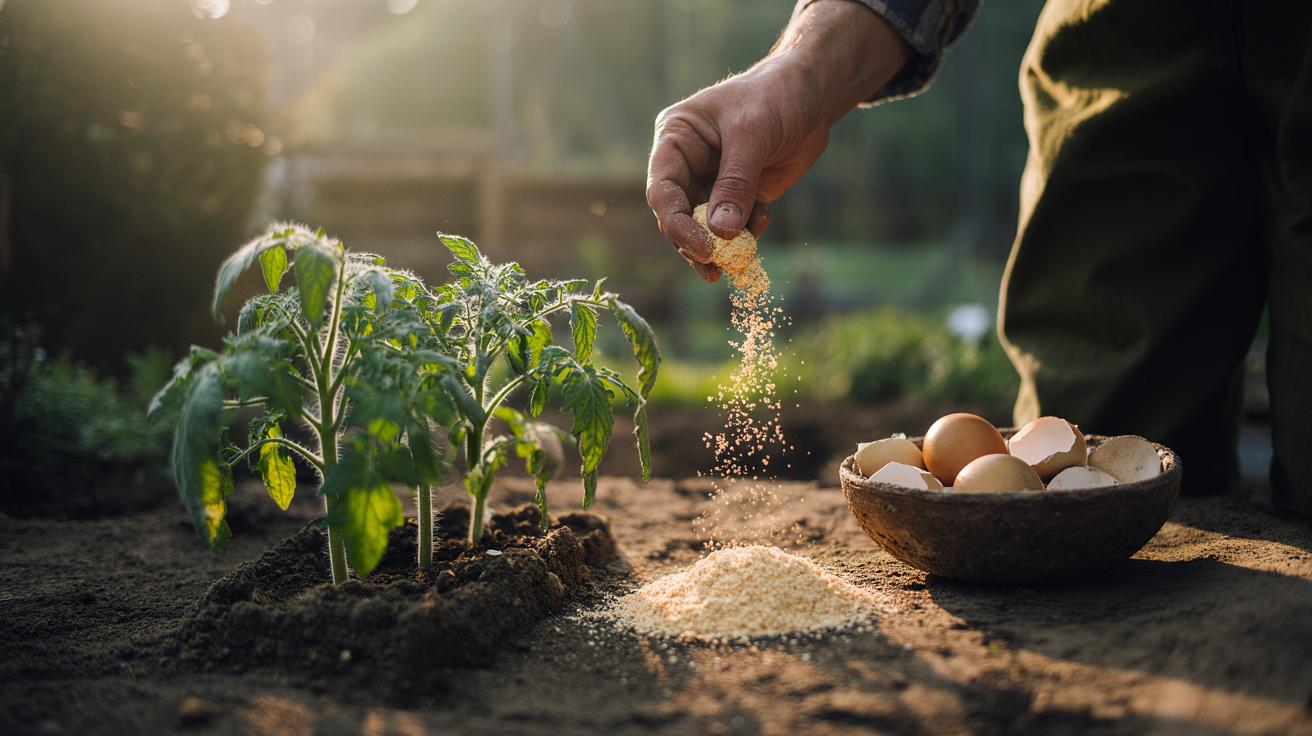
Rinse eggshells after cracking to remove residue, then air-dry. For tidy storage and safety, bake at 150–160°C for 10–15 minutes to dry thoroughly; this also makes crushing easier. Blitz in a grinder or smash under a rolling pin until you have a coarse sand or fine powder—finer equals faster. The closer to powder, the quicker the calcium becomes plant-available. Mix into the top 5–8 cm of soil around seedlings and perennials, or fold into potting mixes at repotting time. You can also add to compost, where shells raise pH microsites and provide grit that worms relish, improving their digestion and your bin’s texture.
| Method | Rate (guide) | Timing | Pros | Watch-outs |
|---|---|---|---|---|
| Powder into soil | 1–2 tbsp per litre of mix | At planting/repotting | Fastest release, even distribution | Needs thorough grinding |
| Top-dress powder | 1–2 tbsp per 20 cm pot | Spring and midsummer | Easy, low mess | Water in well for contact |
| Compost addition | One handful per 5 litres | Anytime | Improves compost quality | Break up to avoid flakes |
In the border, scatter and lightly fork in; in containers, blend evenly for consistency. Avoid relying on whole or large shards unless you only want slow conditioning. Clean, dry, and fine are the three rules. This simple habit transforms kitchen waste into plant food.
Tackling Common Problems: Blossom-End Rot, Pests, and pH
Tomato and pepper growers dread blossom-end rot, that blackened scar on otherwise promising fruit. It’s linked to impaired calcium delivery, but not always low soil calcium. Irregular watering, heat stress, and rapid growth frequently starve fruit of calcium in transit. Eggshells help by raising background calcium over time, yet they cannot reverse rot mid-season. Prioritise consistent moisture, mulching, and steady feeding with a balanced fertiliser. Use shells as a preventative, not a cure. Aim to incorporate powder into beds weeks before planting to build a reservoir that roots can draw from as the season warms.
What about slugs and snails? Crushed shells can form a scratchy ring around seedlings. It may slow some grazers, though results vary, especially in wet weather when edges soften. Treat it as one piece of a wider strategy—beer traps, evening collection, wildlife-friendly habitats for frogs and beetles, and copper barriers for precious pots. On pH, shells are mildly alkaline. Over months they can nudge acidity upwards, handy in peat-free mixes or very sour soils, but they’re no substitute for garden lime when a larger correction is required. Test soil, don’t guess. In chalky regions, keep use light and targeted.
Composting and Sustainability: A Circular Soil Story
Eggshells shine in the compost heap. Powdered or well-crushed shells add mineral diversity and a gentle buffer that supports microbial activity, while offering grit that earthworms use to grind organic matter in their gizzards. That means quicker breakdown and a crumbly, friable output. Pair with nitrogen-rich kitchen scraps and plenty of browns (shredded cardboard, dry leaves). Balance is the secret—not too wet, not too woody. In wormeries, sprinkle tiny amounts routinely rather than dumping in big flakes that clump. You’ll notice fewer sour patches and a more neutral-smelling bin, particularly useful for small urban systems on balconies or patios.
There’s also the footprint to consider. Diverting shells from the waste stream avoids unnecessary collection and processing, while replacing a slice of mined lime or packaged amendments. For UK households cutting plastic and peat use, that matters. Compost enriched with calcium-rich micro-particles produces sturdier seedlings and steadier growth in containers, reducing fertiliser peaks and troughs. And because shells release slowly, you’re investing in next year’s soil as much as this year’s. It’s a tiny ritual with a quietly compounding payoff. The circular arc—breakfast to beds, beds to harvest—becomes both practical and satisfying.
Eggshells won’t turn poor soil into perfection overnight, yet they deliver reliable, sustainable gains when used finely ground and folded into a wider routine: composting, regular watering, and balanced feeding. Treat them as a background mineral supply and texture enhancer, not a silver bullet. Small inputs, steady benefits, less waste. That’s the magic. So, will you start saving shells, grinding a week’s worth at a time, and trialling them in a couple of pots and one border this season—or do you have your own thrifty soil trick ready to test alongside them?
Did you like it?4.5/5 (26)